
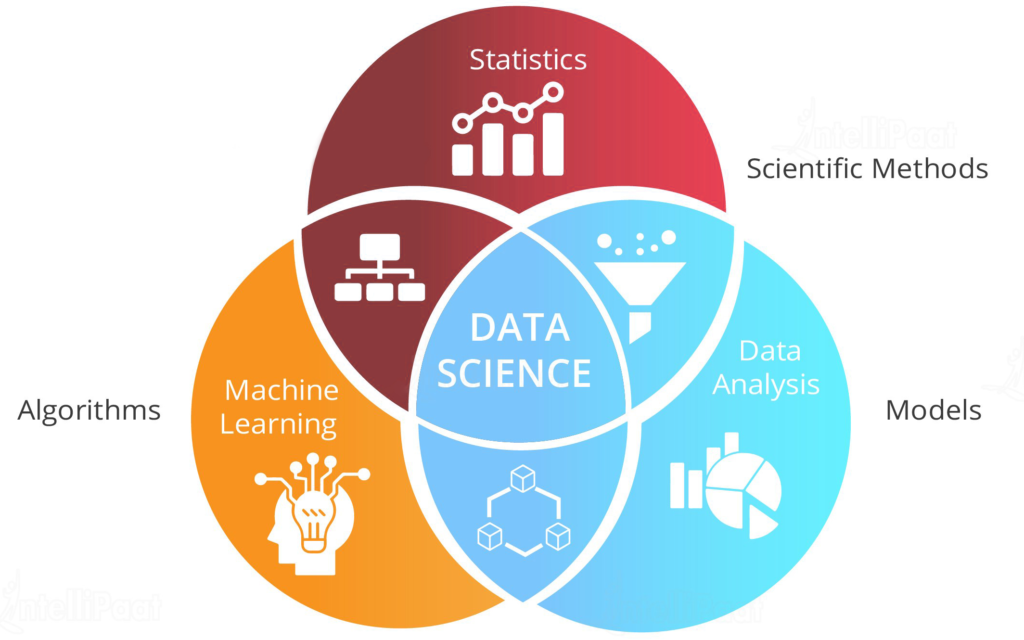
Web development and data science are two fields that are increasingly intersecting in today’s digital age. As a web developer, integrating data science concepts into your projects can greatly enhance the functionality, user experience, and value of your applications. This comprehensive guide will explore the essential aspects of data science for web developers, covering the integration of data analytics, machine learning, and how to leverage big data for web applications.
Integrating Data Analytics into Web Development
Data analytics is pivotal for understanding user behavior, optimizing website performance, and making informed decisions based on user interaction data. As a web developer, you can use analytics tools to track page views, user engagement metrics, and conversion rates, which can help in refining the user experience and increasing the effectiveness of your web applications. Implementing custom analytics using JavaScript libraries or platforms like Google Analytics allows for deeper insights into user behavior.
Machine Learning for Personalized User Experiences
Machine learning (ML) can transform how users interact with web applications by providing personalized content, recommendations, and intelligent search functionalities. For developers, incorporating ML models into your projects might seem daunting, but numerous APIs and libraries, such as TensorFlow.js, make it more accessible. By leveraging these tools, you can create dynamic, personalized experiences that adapt to each user’s preferences and behaviors, enhancing user satisfaction and engagement.
Leveraging Big Data for Web Applications
Big data technologies can process and analyze vast amounts of information in real-time, offering unprecedented insights and opportunities for web developers. Utilizing big data can improve decision-making processes, personalize user experiences at scale, and identify trends that can inform strategic directions for web projects. Frameworks and platforms like Apache Hadoop or MongoDB allow web developers to work efficiently with large datasets, enabling scalable, data-driven web applications.
Incorporating Other Headlines for a Broader Perspective
While delving into data science essentials, it’s crucial to also consider the impact of AI on web development. AI technologies can automate routine tasks, optimize SEO strategies, and even generate content, significantly boosting a developer’s productivity and the overall quality of web projects. Furthermore, understanding advanced authentication and authorization techniques ensures that your data-driven applications are secure and trustworthy, reinforcing user confidence in your web applications.

Integrating data science into web development opens up a new realm of possibilities for creating innovative, efficient, and user-centric web applications. By harnessing the power of data analytics, machine learning, and big data, web developers can elevate their projects, delivering exceptional value and experiences to users.
Frequently Asked Questions
How can I start integrating data analytics into my web projects?
Begin by setting clear objectives for what you want to achieve with analytics, such as improving user engagement or increasing conversions. Utilize analytics platforms like Google Analytics or learn to implement custom tracking with JavaScript to gather and analyze user data.
What are some practical applications of machine learning in web development?
Machine learning can be used for a variety of purposes, including personalized content recommendations, predictive search functionalities, automated customer service via chatbots, and image or speech recognition features.
How does big data influence web development?
Big data allows for the analysis of large datasets to uncover patterns, trends, and associations, especially relating to human behavior and interactions. This can influence web development by providing insights that lead to better decision-making, personalized user experiences, and the creation of more efficient and effective web applications.
Are there any resources for web developers new to data science?
Yes, numerous online courses, tutorials, and communities are dedicated to bridging the gap between web development and data science. Platforms like Coursera, Udacity, and freeCodeCamp offer courses specifically designed for web developers looking to expand their skills into data science and machine learning.
What are the first steps to leveraging big data in web applications?
Familiarize yourself with big data concepts and technologies. Start by learning about data processing frameworks like Apache Hadoop or databases designed for large-scale data management, such as MongoDB or Cassandra. Then, consider how you can apply these technologies to solve specific problems or improve features within your web applications.

Leave a Reply